
Difference Between Cohesion and Coupling: Why Most Codebases Get This Wrong
The Difference Between Internal Focus and External Dependency

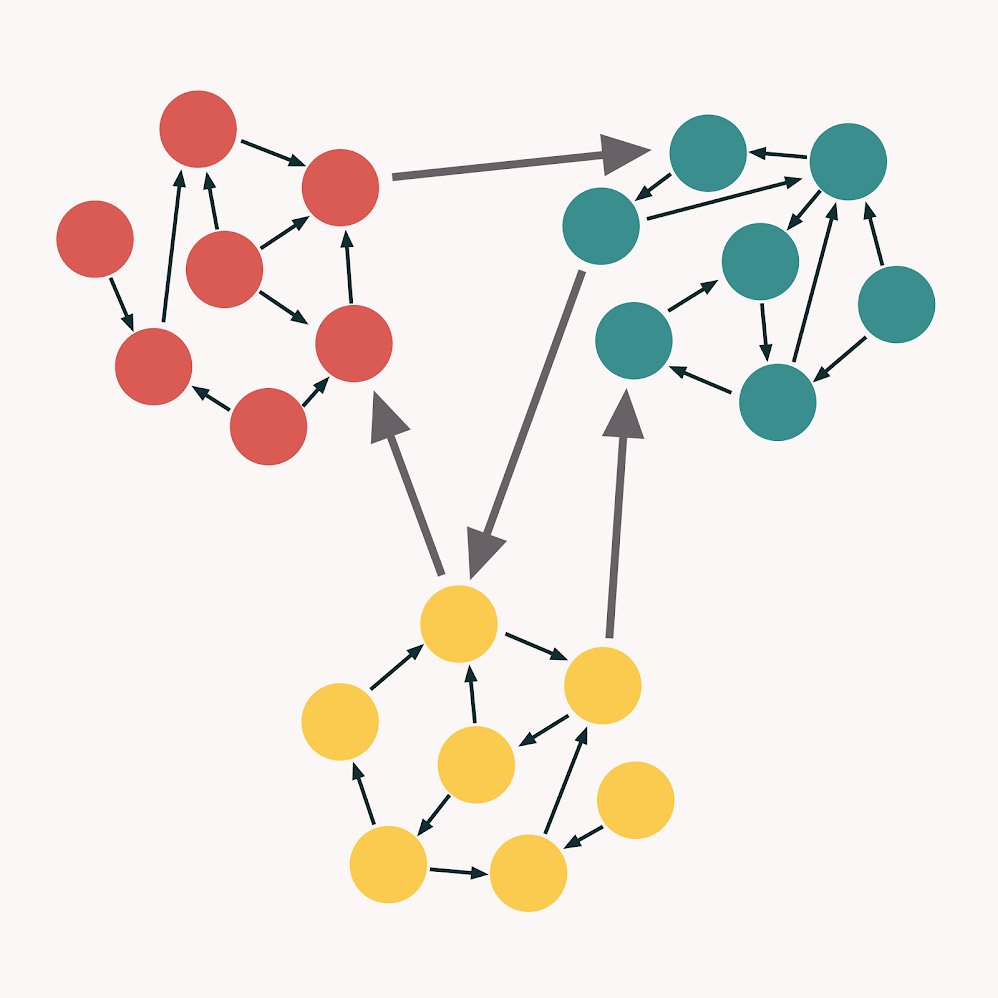
Introduction
We’ve all sat through enough design reviews and architecture meetings to know the vocabulary by heart. We talk about cohesion and coupling as if they were immutable laws of software, yet the average codebase still collapses into a tangle of accidental complexity. Most senior developers can spot a god object instantly, but far fewer can explain why their supposedly decoupled services still require coordinated deployments just to change a single database column. We haven’t failed to learn the language. We’ve failed to apply it where it actually matters.
The core mistake is treating these principles as a pursuit of architectural purity rather than a strategy for surviving change. Software is not a static structure to be admired; its only durable quality is how much resistance it creates when requirements shift. When teams optimize for how code looks instead of how it evolves, they end up with shared “common” modules that quietly leak behavior across the system, or abstractions that bury simple decisions under layers of indirection no one wants to touch.
Most architectural debt isn’t written by careless developers. It’s written by capable engineers trying to be responsible, trying to anticipate the future. The problem is that the future almost never arrives as imagined. Rigid designs built on confident predictions tend to break the moment reality diverges. In modern systems, the real failure is rarely a lack of knowledge. It’s misplaced confidence in our ability to predict change.
1. What Cohesion Really Means
True cohesion is less about the aesthetic arrangement of functions and more about the gravitational pull of change. We often assume a module is cohesive because everything inside it relates to a “User,” but that kind of classification rarely survives the first serious pivot. A cohesive component is one that moves as a unit. If modifying a single business rule requires stepping around multiple unrelated concerns just to avoid breaking something else, the boundary is already broken. Neatly organized methods mean nothing if they do not share a single reason for existing.
Many architectural failures come from grouping things by what they are instead of how they behave. Convenience-based grouping is especially dangerous. Logic gets pushed into shared utilities or generic managers because it feels cheaper than defining a real boundary. The result is a false sense of structure that increases cognitive load for everyone who touches the system later. These modules slowly turn into junk drawers of loosely related behavior, forcing developers to understand far more than they should just to make a safe change.
Cohesion cannot be judged from a static snapshot of a codebase. It is an emergent property that only becomes visible as requirements evolve and pressure is applied. A service can look imagined and clean during a greenfield phase, only to reveal itself months later as a fragmented collection of responsibilities that requires surgical care to modify. Cohesion only becomes meaningful once the cost of change is no longer theoretical.
Sample Code:
type UserService struct{}
func (s *UserService) Register(user User) {}
func (s *UserService) SendWelcomeEmail(user User) {}
func (s *UserService) CalculateDiscount(user User) {}
All of this logic is “about the user,” but none of it changes for the same reason.
The structure looks cohesive, yet every method responds to a different kind of change.
2. What Coupling Actually Costs You
The real cost of dependencies doesn’t show up in diagrams or static analysis tools. It shows up when a small change turns into a coordination problem. If changing a simple piece of logic requires aligning multiple teams and deployments, the system has already lost its ability to move on its own. At that point, even harmless refactors become risky. Engineers hesitate, not because the change is complex, but because no one is sure how far the impact will spread.
This kind of coupling is often hidden behind “clean” interfaces. The code looks structured, the boundaries look reasonable, but the components still rely on each other’s internal behavior. You notice it when tests start failing for reasons that have nothing to do with business logic. A small internal change breaks mocks, fixtures, or assumptions somewhere else. On paper, the system is modular. In practice, it behaves like a single tightly bound unit.
func CalculateTotal(order Order) float64 {
    discount := pricingService.DiscountFor(order.User)
    tax := taxService.Calculate(order)
    return order.Subtotal - discount + tax
}
Nothing here looks alarming. The function is short and readable. The problem only appears when any of these services change their behavior or expectations. Suddenly, a local change is no longer local.
This is why coupling is so easy to underestimate early on. During the initial build, shortcuts feel productive. Wiring things together feels like progress. That speed is almost always borrowed from the future. The architecture may look decoupled on a whiteboard, but the truth doesn’t reveal itself until the system has to change under real pressure. By then, the cost is already locked in.
3. Cohesion vs Coupling: The Core Difference
Cohesion and coupling are two different things, and they need to be judged separately. Cohesion is about what happens inside a boundary. It tells you whether the logic in a module exists for a clear, shared reason. Coupling is about what happens across boundaries. It tells you how tightly a module depends on the rest of the system. These are not opposite ends of the same scale. A component can be isolated from everything else and still be a messy collection of unrelated behavior.
Teams often damage one while trying to improve the other. Logic gets pulled into a single place to reduce external dependencies, and the result is a module that changes for many unrelated reasons. The opposite happens too. Systems get split into smaller, more focused units, but the number of required interactions grows until no component can be changed, tested, or deployed on its own. Each move shifts pressure either inward or outward, rarely in both directions at once.
This distinction matters most during design and code reviews. One problem makes changes inside a boundary painful. The other makes changes across boundaries painful. When these two concerns are blurred, teams reach for the wrong fix. They simplify dependencies when they should simplify responsibilities, or centralize behavior when they should reduce coordination. That confusion is how God Objects are created and how systems slowly become rigid.
Example: low coupling, low cohesion. This compiles, it’s “self-contained,” and it’s still a mess:
// Low coupling: no outside deps.
// Low cohesion: unrelated responsibilities packed together.
type Toolbox struct{}

func (t Toolbox) FormatPrice(cents int) string { return "" }
func (t Toolbox) HashPassword(pw string) string { return "" }
func (t Toolbox) ExportCSV(rows [][]string) []byte { return nil }
Nothing here depends on other modules, so coupling is low. But cohesion is terrible because these functions do not share a single reason to change. It’s just a convenient dumping ground.
Now the opposite: high cohesion, high coupling. The module is focused, but it cannot breathe without the rest of the system:
type BillingService struct {
    Pricing PricingClient
    Tax     TaxClient
    Users   UserClient
}

func (s BillingService) Quote(userID string, subtotalCents int) (int, error) {
    user, _ := s.Users.Get(userID)
    discount, _ := s.Pricing.DiscountFor(user)
    tax, _ := s.Tax.Calculate(subtotalCents - discount, user.Region)
    return subtotalCents - discount + tax, nil
}
This is cohesive: it exists to produce a billing quote, and the logic hangs together. But coupling is high because a “small” change now may require coordinating with pricing, tax, or user contracts, test doubles, deployment timing, and failure modes. Clean code, messy coordination.
Teams often damage one while trying to improve the other. They centralize logic to reduce external calls, and they accidentally create a module that changes for unrelated reasons:
// “Let’s reduce cross-service calls” turned into “one place for everything.”
type MegaService struct {
    // ... every client in the company
}

func (m MegaService) CreateUser(...) {}
func (m MegaService) Quote(...) {}
func (m MegaService) SendEmail(...) {}
That reduces some external dependencies, but it destroys cohesion. This is how God Objects are born: not from stupidity, but from trying to “simplify” coordination by concentrating behavior.
The distinction matters most during design and code reviews. One problem makes changes inside a boundary painful (low cohesion). The other makes changes across boundaries painful (high coupling). If you mix them up, you apply the wrong fix. You reduce dependencies when you should separate responsibilities, or you centralize behavior when you should reduce coordination. That confusion is exactly how systems become rigid.
4. The God Object Trap
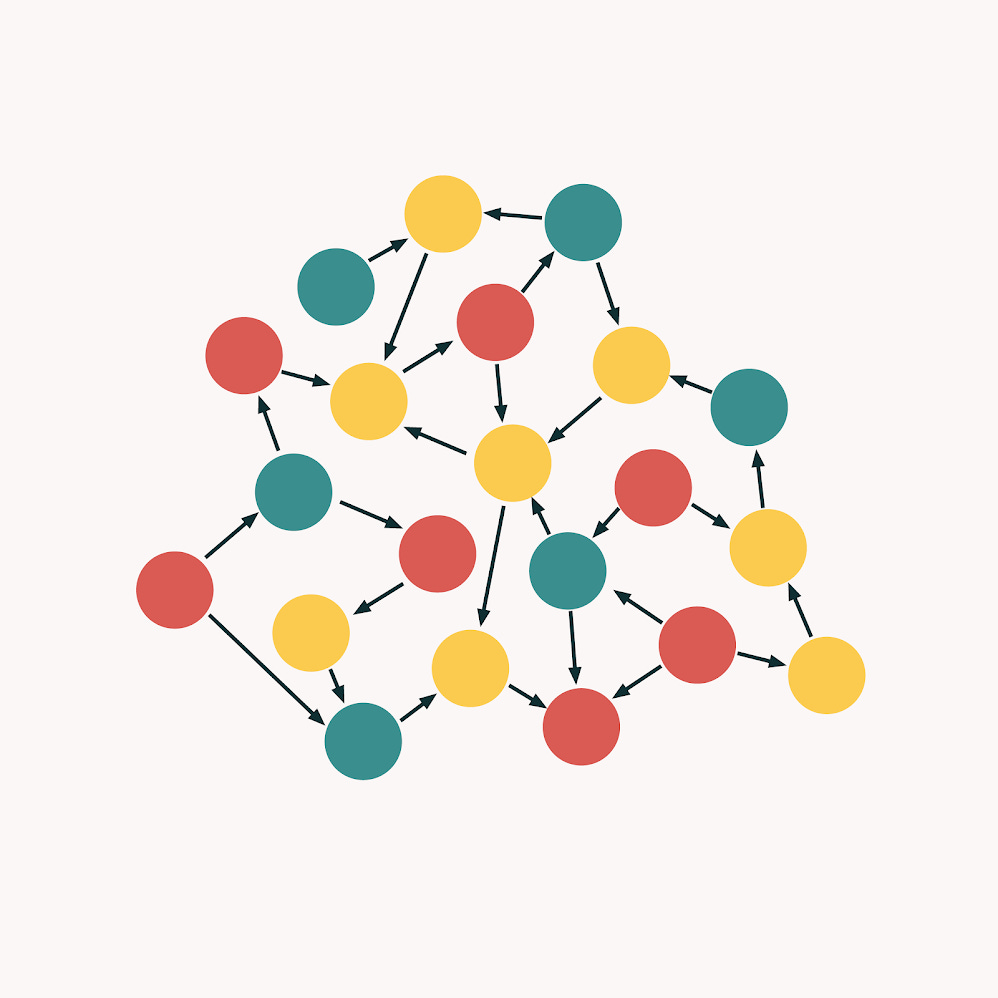
In inherited codebases, God Objects usually come from a reasonable attempt to reduce coordination overhead. When a workflow is split across many small components, tracing data and behavior becomes expensive. To make it easier to follow, developers pull the logic into one place and convince themselves that putting it “close together” will make it clearer. It often starts as an honest effort to create a single home for a feature area, but it quietly collapses unrelated concerns into the same boundary.
As the system grows, that one module becomes the place every change goes through. Because it ends up mixing responsibilities like persistence, business rules, and external integration, changes stop being local even when they should be. You see it in pull requests where unrelated features keep touching the same file, conflicts become normal, and fear of side effects becomes the default. What looked cohesive early on turns into a bottleneck that slows the entire team.
The issue is that the cohesion was mostly in the name, not in the behavior. The module may be labeled after a domain concept, but the logic inside changes for different reasons and at different rates. This is what happens when teams optimize for short-term navigability instead of sustainable boundaries. God Objects are usually a symptom of confusing cohesion with reduced coordination, not a lack of skill or effort.
5. How These Concepts Shape Change, Not Code Beauty
We often mistake visual order for a healthy architecture. A codebase where every module follows the same template and every file sits neatly in a folder structure feels reassuring, but that sense of order says very little about how the system will behave under change. Designs that look balanced on a whiteboard often force unrelated behavior into shared structures just to preserve symmetry. The code looks organized, but the system becomes harder to move without pulling other parts along with it.
The ability to absorb change rarely shows up in a single pull request. It only becomes visible when a requirement shifts and the original assumptions no longer hold. Many systems look clean because every component follows the same interface or pattern, until maintaining that uniformity starts costing more than the logic it was meant to simplify. When style and consistency take priority over real interaction patterns, the result is structure that resists change instead of supporting it.
The real test of a design happens long after the code is merged. It shows up when someone has to implement a mid-project change without the context or intent of the original design. That moment reveals whether the boundaries were shaped by insight or by convenience. Good design is not defined by how elegant it looks in a static repository, but by how calmly the system responds when change is unavoidable.
6. Practical Heuristics Engineers Actually Use
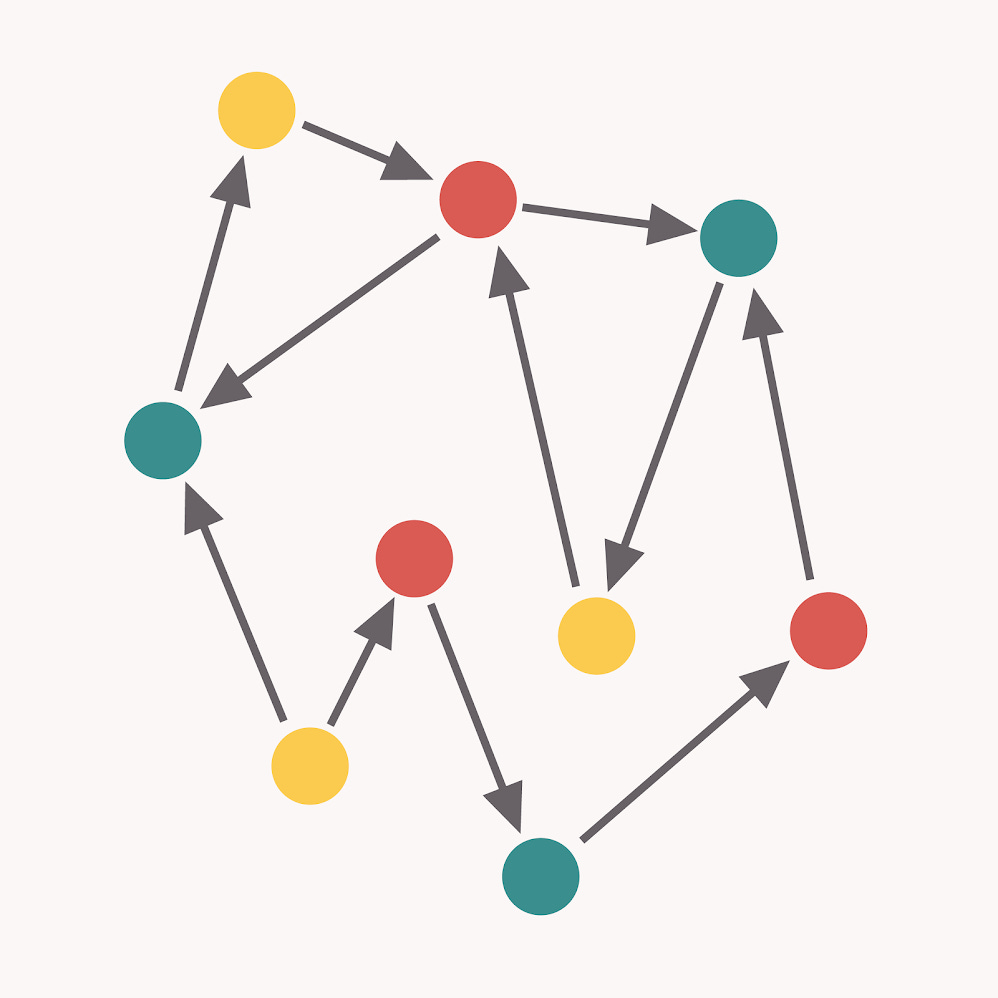
Experienced engineers eventually stop trying to follow a manual and start listening to the friction in their daily workflow. One of the most reliable heuristics is simply asking, “How many reasons does this file have to change?” If you find yourself opening the same service for a database schema update, a change in a third-party API, and a shift in business logic, your boundaries are essentially non-existent. You aren’t looking for a perfect one-to-one mapping between files and features, but rather a signal that the logic inside a component moves at the same speed and for the same reasons. When a single file reacts to too many unrelated pressures, it becomes a bottleneck that forces every contributor to navigate the entire system just to fix a minor bug.
Another useful check during a review is to look at the blast radius of a small change. You ask yourself whether this internal modification can be completed without touching any neighboring modules. If a tweak to a calculation requires you to update five different callers or adjust three supposedly independent tests, the interface you built is likely just a thin veil over deep dependencies. We also look at whether the logic within a module would still make sense if the specific feature currently using it were to disappear. If the component is so specialized that it only exists to serve one specific caller’s quirks, you haven’t built a reusable unit; you’ve just moved the mess into a different room.
At the same time, senior developers know when to stop. There is a specific point where further decomposition starts to increase cognitive load rather than reduce it. We learn to tolerate a bit of sprawl in parts of the system that rarely change, because over-engineering a boundary for a stable piece of code is a waste of time and capital. The goal isn’t to reach an idealized state of isolation, but to ensure that the areas of the codebase where we spend most of our time are the easiest to navigate. We choose where to draw the line based on where the most frequent change pressure occurs, accepting imperfection in the corners that don’t hurt us.
Ultimately, these mental shortcuts are what differentiate a productive engineer from one who is stuck in an endless loop of reorganization. They allow us to make quick, defensible decisions in the middle of a project without needing to consult a textbook. Good heuristics reduce hesitation and debate, not eliminate judgment.
7. When Breaking the Rules Is the Right Move
In production, there are moments when deliberately ignoring standard boundary advice is the most disciplined choice. When requirements are volatile or the domain is still unclear, forcing clean separations too early can create more friction than it removes. Premature decomposition often locks a system into a structure based on assumptions that have not yet been validated. In these situations, accepting lower cohesion or tighter coupling can be a practical way to stay flexible until real patterns of change become visible.
This is not a defense of laziness, but an acknowledgment of real constraints like deadlines, incomplete context, or organizational pressure. Sometimes keeping the system alive means shipping something you would never present as a model design. The difference between a senior engineer and a theorist is knowing when the cost of a “correct” abstraction outweighs the benefit it promises. These trade-offs are made to optimize for survival, not architectural purity.
The real risk is rarely the compromise itself, but the absence of intent behind it. Experienced teams can work within a coupled system if they clearly understand where the constraints are and why they exist. Breaking the rules can be a conscious decision to favor delivery over isolation. The failure happens when those shortcuts become invisible, unexamined, or quietly accepted as permanent. The danger is not in breaking the rules, but in forgetting why they were broken.
Conclusion
Mastering cohesion and coupling has little to do with building elegant software and everything to do with building systems that can survive change. Understanding the difference between how a component manages its internal logic and how it coordinates with the rest of the system is one of the strongest predictors of long-term sustainability. Most architectural failures do not come from lack of effort, but from confusing these two forces and using external coordination as a substitute for internal focus.
Senior engineering is defined by the ability to look past visual organization and anticipate where friction will emerge under pressure. When cohesion and coupling are treated as pragmatic tools rather than ideals, design decisions become calmer and more deliberate. The goal is not to build something impressive on a whiteboard, but to reach a point where change becomes predictable. Good design is judged by how quietly a system absorbs change, not by how tidy it looks on day one.